
If you own a home in Northern Utah or Cache Valley, you already know how extreme the temperature swings can be. Sub-zero winter nights, hot summer afternoons, biting winds, and dry air all put your home’s building envelope to the test. When insulation is outdated, damaged, or improperly installed, those conditions quickly show up as higher energy bills, comfort issues, and long-term wear on your home.
Under-insulation is far more common than most homeowners realize, especially in homes built before modern energy codes or in houses where insulation was added inconsistently over time. The good news is that these problems rarely happen silently. Your home gives off warning signs when insulation is no longer doing its job.
Below, we break down seven clear signs your home may be under-insulated, explain why they occur, and show how proper insulation solves the root cause, not just the symptoms.
Understanding Under-Insulation and Why It Matters
Insulation material slows heat transfer between the inside and outside of your home. In technical terms, insulation works by resisting conduction (heat moving through materials) and convection (heat carried by moving air).
Most traditional insulation types, such as fiberglass batts or blown-in cellulose, focus primarily on thermal resistance, measured as R-value. R-value tells you how well a material resists heat flow, but it does not account for air movement.
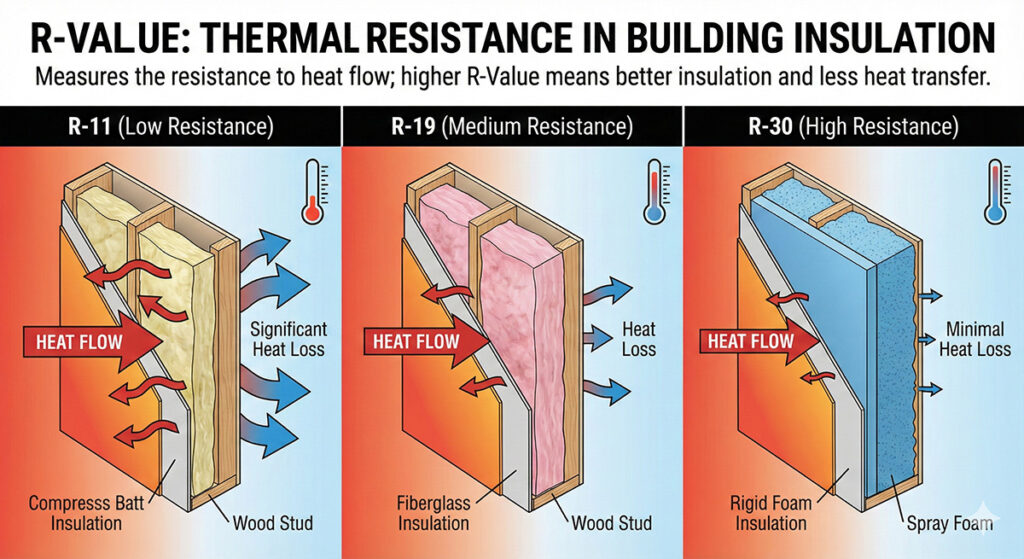
This is where many homes fall short.
Air leakage can account for 25–40% of heating and cooling loss, according to the U.S. Department of Energy. Spray foam insulation addresses both insulation and air sealing at the same time, which is why it performs differently than older materials.
1. Uneven Temperatures Throughout Your Home
Why this happens
One of the most common complaints from homeowners in Cache Valley is that some rooms are always uncomfortable. Bedrooms over garages feel cold in winter. Bonus rooms run hot in summer. Basements feel clammy year-round.
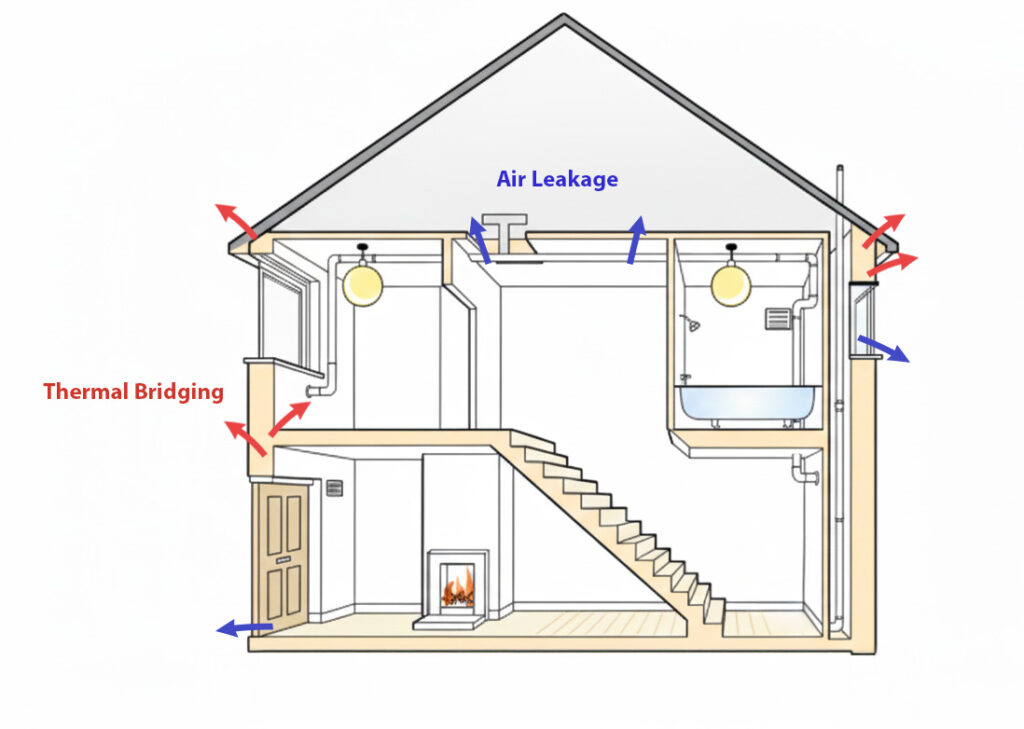
Uneven temperatures usually indicate thermal bridging or air leakage:
- Thermal bridging occurs when heat bypasses insulation through framing members like studs or joists.
- Air leakage happens when gaps around rim joists, attic penetrations, or wall cavities allow conditioned air to escape.
Even if insulation exists, gaps or compression can make it ineffective.
How spray foam solves it
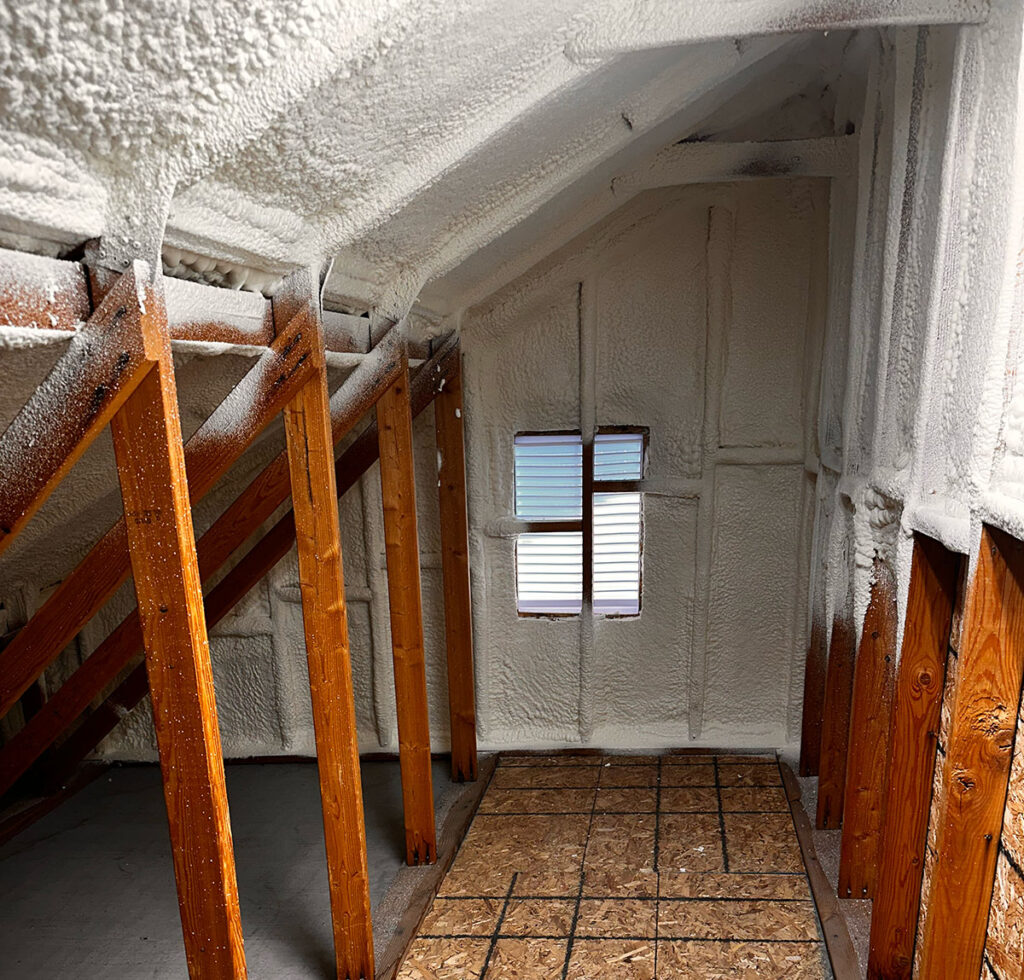
Spray foam expands on contact, filling irregular cavities and sealing gaps that other materials miss. When applied to walls, rim joists, or roof decks, it creates a continuous thermal and air barrier, helping maintain consistent temperatures from room to room.
For homes in Northern Utah, this often means warmer floors in winter, cooler upstairs rooms in summer, and fewer thermostat adjustments throughout the day.
2. High Energy Bills With No Clear Explanation
If your heating and cooling costs keep climbing despite normal usage, or even after upgrading your furnace or air conditioner, insulation is often the missing piece.
Why this happens
When insulation is insufficient or deteriorated, your HVAC system has to run longer and harder to maintain indoor temperatures. This is especially true during Cache Valley winters, when heat loss through attics and crawl spaces accelerates dramatically.
Common problem areas include:
- Attics with compressed or missing insulation
- Rim joists above basements or crawl spaces
- Wall cavities with settling insulation
How spray foam solves it
Spray foam reduces both heat transfer and air leakage, allowing your HVAC system to operate more efficiently. According to the U.S. Department of Energy, air sealing combined with insulation upgrades can significantly reduce energy consumption.
Homeowners often see measurable reductions in heating and cooling costs after spray foam is installed, especially in older Northern Utah homes.
3. Drafts, Cold Floors, and Chilly Walls
If you can feel cold air near baseboards, electrical outlets, or floor edges, insulation is likely underperforming.
Why this happens
Drafts are a direct sign of air infiltration, meaning outside air is entering the home through gaps in the building envelope. This is common in:
- Rim joists
- Crawl spaces
- Attic access points
- Wall penetrations for plumbing or wiring
Cold floors often indicate poor insulation beneath living spaces or uncontrolled airflow from crawl spaces.
How spray foam solves it
Spray foam acts as an air barrier, not just an insulator. Once cured, it blocks airflow entirely, preventing drafts and eliminating cold spots.
In Cache Valley homes, sealing rim joists and crawl space walls with spray foam is one of the most effective ways to eliminate persistent drafts and improve overall comfort.
4. Ice Dams and Roof-Related Winter Issues
Ice dams are a frequent winter problem in Northern Utah, especially after heavy snowfall followed by freeze-thaw cycles.
- Roof leaks
- Damaged shingles
- Water intrusion into walls and ceilings
Why this happens
Ice dams form when heat escapes from the attic, melting snow on the roof. As the water runs down and refreezes near the eaves, it creates a dam that traps additional meltwater. This can lead to:
The underlying issue is usually poor attic insulation and air sealing, not the roof itself.
How spray foam solves it
Spray foam applied to the attic floor or roof deck prevents warm air from escaping into the attic. By keeping attic temperatures closer to outdoor conditions, spray foam helps stop the freeze-thaw cycle that causes ice dams.
This approach not only protects your roof but also extends its lifespan; an important consideration given Northern Utah’s harsh winters.
5. Moisture Problems, Condensation, or Musty Smells
Insulation problems are often linked to moisture issues, especially in basements, crawl spaces, and attics.
Why this happens
Warm air holds more moisture than cold air. When moist indoor air leaks into colder areas of the home, condensation can form. Over time, this can lead to:
- Mold or mildew growth
- Wood rot
- Musty odors
- Reduced indoor air quality
Traditional insulation does not stop moisture-laden air from moving through wall or ceiling assemblies.
How spray foam solves it
Spray foam limits air movement and helps control moisture migration. Closed-cell spray foam, in particular, has a low permeability rating, meaning it resists moisture diffusion.
By sealing the building envelope, spray foam reduces the conditions that allow condensation to form: an important benefit for homes in Cache Valley where winter humidity differentials are common.
6. Excessive Noise From Outside or Between Rooms
If you hear traffic, wind, or neighborhood noise more clearly than you think you should, insulation may be lacking.
Why this happens
Sound travels through air gaps and hollow cavities. Walls and floors without proper insulation allow airborne noise to move freely.
This is especially noticeable in:
- Homes near busy roads
- Multi-level houses
- Rooms above garages
How spray foam solves it
Spray foam reduces sound transmission by filling cavities and eliminating air gaps that carry noise. While not soundproofing, it significantly dampens airborne sound, making indoor spaces quieter and more comfortable.
7. An Aging or Poorly Insulated Home in a Harsh Climate
Many homes in Northern Utah were built before modern insulation standards. Even if insulation was installed originally, time, settling, and moisture exposure can degrade its performance.
Why this happens
Older insulation materials can:
- Compress or settle, leaving voids
- Absorb moisture
- Lose R-value over time
- Be improperly installed by today’s standards
In a climate like Cache Valley’s, these deficiencies become more noticeable, and more costly, every year.
How spray foam solves it
Spray foam is durable, long-lasting, and does not settle or sag. Once installed, it maintains its performance for decades, making it a reliable solution for older homes undergoing upgrades or renovations.
Why Spray Foam Is Especially Effective in Northern Utah
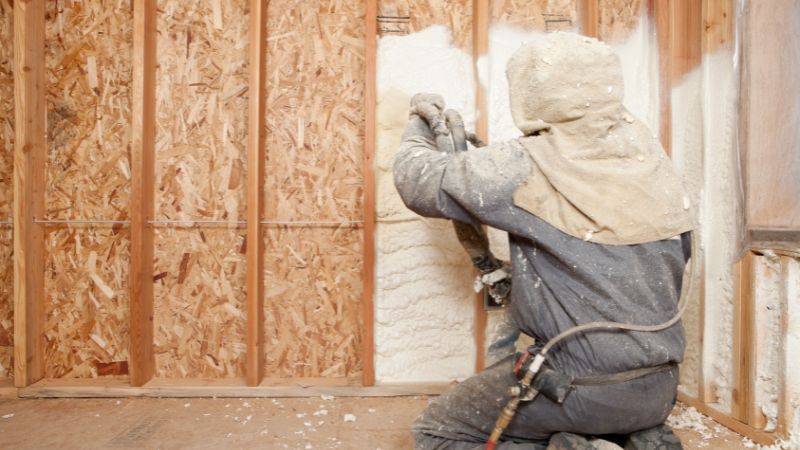
Spray foam insulation is uniquely suited for the climate conditions found in Cache Valley and the surrounding areas. Its ability to air seal and insulate in one application makes it highly effective against cold winters, hot summers, wind exposure, and dry air.
At Impact Insulation, spray foam is applied with a building-science-driven approach, ensuring that insulation is placed where it delivers the greatest benefit—not just where it’s easiest to install.
Take the Next Step Toward a More Comfortable, Efficient Home
If your home shows one or more of these signs, under-insulation is likely affecting your comfort, energy costs, and long-term durability. Spray foam insulation addresses these issues at their source by creating a continuous thermal and air barrier tailored to your home’s specific needs.
Impact Insulation proudly serves Cache Valley, Northern Utah, Southeastern Idaho and Southwestern Wyoming, providing professional spray foam insulation solutions for residential and commercial properties.
Have Questions About Spray Foam Insulation?
Every building is different. If you’re wondering whether spray foam is right for your home or building, our team is happy to help.
Sources
- U.S. Department of Energy – Insulation and Air Sealing
https://www.energy.gov/energysaver/insulation-and-air-sealing - Building Science Corporation – Air Barriers and Insulation
https://www.buildingscience.com/documents/digests/bsd-014-air-barriers - EPA – Indoor Air Quality and Moisture Control https://www.epa.gov/indoor-air-quality-iaq/moisture-control-guidance-building-design-construction-and