
When most homeowners think about improving energy efficiency, they picture new windows or a smart thermostat. But the real culprit behind high utility bills is often hiding just above your head in your attic.
If you live in Salt Lake City, Provo, Cache Valley, Logan, Brigham City, Tremonton, or anywhere in Utah, a poorly insulated attic can leak thousands of dollars in heating and cooling over time. The good news? Sealing and insulating your attic can dramatically reduce energy waste, improve comfort, and boost your home’s value.
This is your complete homeowner’s guide from Impact Insulation, Utah’s local attic insulation and air sealing experts.
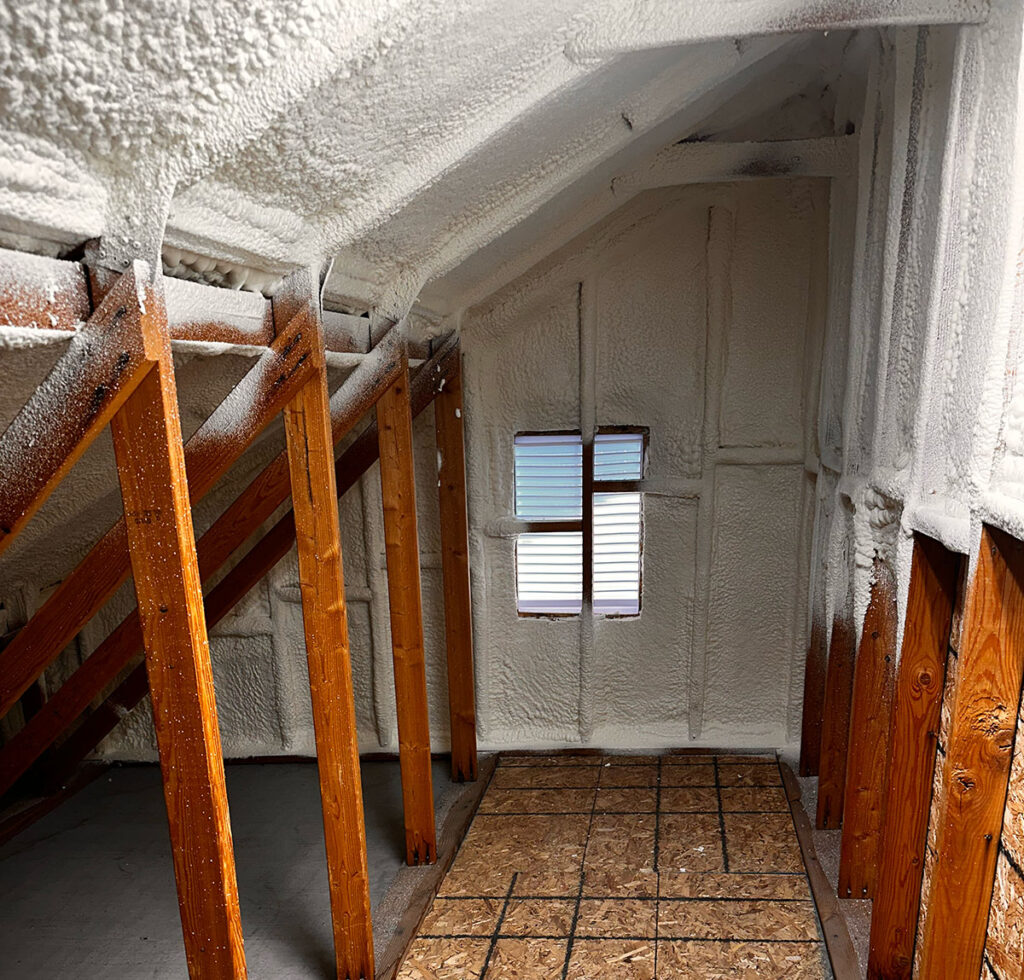
1. Why Your Attic Might Be Draining Your Wallet
The science behind attic energy loss
Warm air rises–In the winter, your heated indoor air naturally moves upward and escapes through cracks, gaps, and under-insulated attic surfaces.
This phenomenon is known as the “stack effect.” When warm air escapes through the top of your home (the attic), it pulls cooler air in from the lower levels, which your HVAC then must heat or cool again.
According to the U.S. Department of Energy (DOE), homeowners can cut energy costs by up to 20% simply by upgrading attic insulation and sealing leaks (Source: energy.gov).
ENERGY STAR also reports that sealing air leaks and adding insulation can save the average homeowner 15% on heating and cooling bills (Source: energystar.gov).
In short, your attic could literally be where your money escapes.
2. Common Signs Your Attic Needs Attention
Northern Utah homeowners often experience dramatic seasonal swings: from freezing Utah winters to blazing summer heat. Those extremes make attic performance critical. Watch for these red flags:
- High utility bills: Sudden or sustained increases often mean your HVAC is fighting heat loss or gain.
- Uneven temperatures: Hot upstairs rooms and cold downstairs areas are classic attic problems.
- Drafts or cold spots: Particularly near ceiling fixtures or attic access panels.
- Old or thin insulation: If your insulation looks uneven, dusty, or compressed, it’s likely underperforming.
- Ice dams in winter: Caused by escaping heat melting roof snow, then refreezing at the eaves.
- Mold or moisture: A sure sign of poor air sealing and inadequate ventilation.
If any of these sound familiar, it’s time for a professional attic inspection.
3. Understanding the Difference: Air Sealing vs. Insulation
Before adding insulation, homeowners in Northern Utah should understand a key principle: you must air seal first.
Step 1: Air Sealing
Air sealing involves closing all gaps and cracks where indoor air escapes into the attic. Common leak points include:
- Around recessed lighting fixtures
- Plumbing and wiring penetrations
- Ductwork seams
- Attic hatches
- Chimney or flue gaps
Professionals use specialized materials like spray foam, caulk, and weatherstripping to create an airtight barrier.
The DOE notes: “Air sealing all major leaks must be a precursor to installing insulation.” (Source: energy.gov)
Step 2: Attic Insulation
Once leaks are sealed, insulation is added to resist heat transfer. The higher the R-value (resistance to heat flow), the better the performance.
Common materials include:
- Blown-in fiberglass or cellulose: Cost-effective, fills gaps well
- Spray foam insulation (Recommended): Higher R-value per inch, also air seals
- Batt insulation: Affordable and easy to install but less airtight
In Northern Utah, experts recommend attic insulation between R-49 and R-60 to meet or exceed local energy code requirements. (Source: Utah Energy Code Quick Guide)
4. Attic Insulation in Northern Utah: Local Conditions Matter
Every region has its own challenges. In Northern Utah, Southeastern Idaho and Western Wyoming, temperatures can swing over 100°F between seasons, putting major stress on your home’s thermal envelope.
Why Utah attics are unique
- Cold winters: Heat loss leads to higher gas and electric bills.
- Hot summers: Attics can exceed 140°F, baking your roof and radiating heat into living spaces.
- Dry climate: Makes air leakage and dust infiltration more noticeable.
- High elevation: Air is thinner and temperature gradients are more severe.
Proper insulation and sealing reduce strain on your HVAC system and stabilize indoor comfort year-round.
Bonus Tip: Utah code now requires that attic access panels (hatches) be insulated and weatherstripped, something many older homes still lack.
5. What It Costs to Fix an Attic (and How Much You’ll Save)
Typical Costs
In Northern Utah, attic insulation and air sealing generally range between:
- $1.75 to $4.50 per square foot (materials + labor)
- Average total cost: $1,800–$3,500 depending on attic size and accessibility (Source: Modernize.com)
Payback Period
- Typical energy savings: 15–20% annually
- Average ROI: Less than 10 years, faster in colder climates
- Higher resale value: insulation upgrades can return up to 100% of their cost (Source: Remodeling Magazine, Cost vs. Value Report)
For Utah residents, where heating costs dominate, the payback period can be even shorter.
6. How to Upgrade: Your Attic Energy-Saving Roadmap
Here’s how to make your upgrade smooth, effective, and code-compliant:
Step 1: Get a Professional Energy Audit
A blower door test and infrared scan pinpoint leaks invisible to the eye. This is the most accurate way to determine if your attic is underperforming.
Step 2: Seal Air Leaks
Professional contractors will seal around fixtures, pipes, and framing gaps using appropriate materials. DIY sealing can help, but professional-grade sealing ensures longevity and compliance.
Step 3: Add or Replace Insulation
A qualified installer will evaluate your current insulation depth and recommend whether to add new layers or replace old material. Spray foam is ideal for comprehensive upgrades, but blown-in insulation offers a strong balance of cost and performance.
Step 4: Maintain Proper Ventilation
Balanced ventilation (ridge vents, soffit vents) prevents moisture buildup and roof damage.
Step 5: Hire a Local Expert You Can Trust
Working with a Northern Utah insulation company like Impact Insulation ensures your home meets local code, performs in Utah’s unique climate, and keeps your comfort steady year-round.
Why Homeowners in Utah Trust Impact Insulation
Impact Insulation isn’t a national chain. We’re Utah locals. We understand our area’s unpredictable weather, local codes, and the small details that make a big difference in insulation performance.
When you partner with us, you get:
• Local expertise (Salt Lake, Ogden, Provo, Logan, Tremonton, Cache Valley)
• Energy-efficient attic insulation tailored to Utah’s climate
• Certified technicians and transparent pricing
• Long-term performance and comfort you can feel
We’re committed to helping homeowners lower energy costs and make smarter, more sustainable homes.
Don’t Let Your Attic Drain Your Wallet
Your attic may be out of sight, but it shouldn’t be out of mind. Every unsealed crack and under-insulated inch is costing you money each month. The sooner you fix it, the faster you start saving and the more comfortable your home becomes.
Have Questions About Spray Foam Insulation?
Every building is different. If you’re wondering whether spray foam is right for your home or building, our team is happy to help.